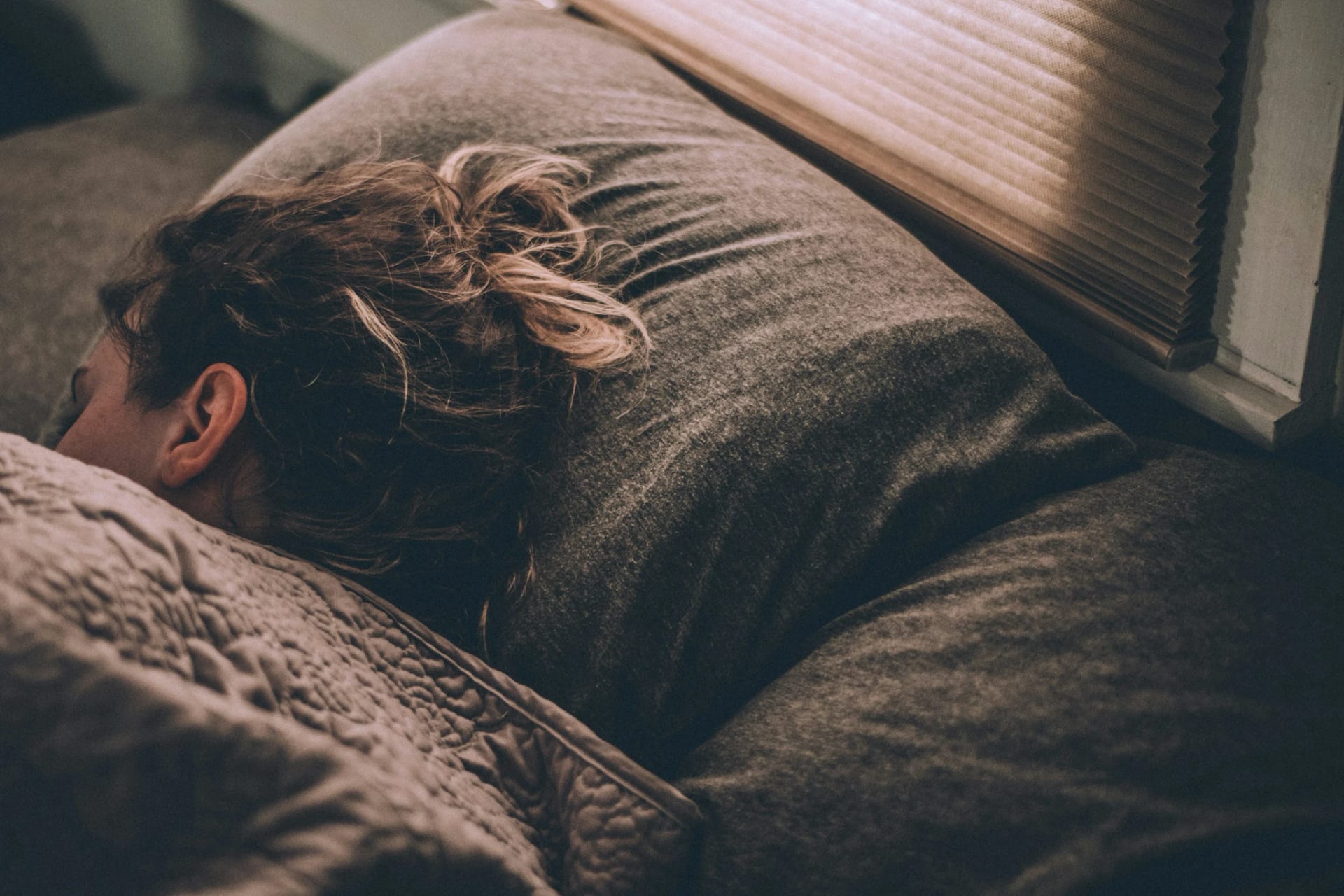
An evening wind-down without your phone is a planned buffer—usually sixty to ninety minutes before lights-out—where handheld screens stay off so melatonin can rise and your nervous system can downshift. It is not a moral crusade against technology; it is stimulus control.
Phones combine bright short-wavelength light, unpredictable notifications, and infinite scroll in the same object you use for work, news, and argument. That mix delays sleep onset and fragments deep sleep even when you feel "relaxed" watching videos.
If you already dim the room but keep the phone in hand, you are still training bedtime as alert time. Moving the device out of the wind-down window is often the highest-leverage sleep habit after a consistent wake anchor and an earlier caffeine cutoff.
Why phones break wind-down more than TV or laptops
Three mechanisms stack. Light: phones held close to the face deliver a high dose of blue-enriched light at low ambient brightness, which can suppress melatonin more than a distant TV at warm settings. Arousal: email, social feeds, and news activate threat and reward circuits—cortisol and dopamine work against sleep pressure, not with it. Conditioning: repeated bed scrolling teaches the brain that the mattress is for input, not sleep; you lie down tired but wired.
Night mode and blue-light glasses help some users but do not remove stimulating content or the urge to check "one more" thread. A phone-free wind-down targets behavior and environment together.
Build a phone-free buffer in four steps
- Anchor bedtime, work backward. If lights-out is 10:30 p.m., phone-off starts at 9:00–9:30 p.m. every night, including weekends within thirty minutes.
- Create a parking spot. Charge in the kitchen, hallway, or living room—not bedside. Plug in before shower or dinner so you are not negotiating at 10:25 p.m. when willpower is lowest.
- Replace the slot. Same sequence nightly: dim lamps, light stretch or shower, paper book or conversation, prep clothes and water for morning. Predictability beats exotic biohacks.
- Handle exceptions explicitly. On-call workers can allowlist one channel on a distant phone; everyone else gets Do Not Disturb. Tell family the buffer is real so "quick questions" do not become twenty-minute threads.
Keep a simple alarm clock or speaker for wake audio so the bedroom stays a sleep cue. If you track sleep with a wearable app, sync before the buffer—do not open analytics at 10:00 p.m. and fall into stats anxiety.
Examples on real schedules
- Late desk worker: Last Slack check at 9:00 p.m.; phone on the kitchen dock; laptop closed. Twenty minutes of stretch and shower, thirty minutes of paper reading. Sleep onset moves earlier within a week because the brain stops expecting inbox threat in bed.
- On-call parent: Only the hospital line stays audible on a phone across the room; social apps off after 8:30 p.m. Partner owns bedtime texts; you read on paper until lights out. You protected melatonin without pretending emergencies do not exist.
- Post-training evening: Phone charges before the post-workout shower; a fifteen-minute neighborhood walk without the device; tomorrow's gym bag prepped. Doomscrolling between dinner and bed often disappears when the phone never re-enters your hand after food.
Common mistakes
Phone in bed "for music." One tap to check weather becomes forty minutes of reels. Offline speaker or clock radio breaks the chain. Only banning social apps. Email and sports scores are equally arousing. Negotiating every night. Without a fixed parking time, you debate until exhaustion—and scroll anyway. Replacing phone with bright laptop work. A true wind-down dims all stimulating screens, not only the small one. Skipping the buffer on weekends. Social jet lag on Sunday night undoing five good weekdays.
If sleep latency stays long after a phone-free buffer, look next at caffeine timing, late HIIT, alcohol, or anxiety that needs clinical support—the phone was necessary but may not be sufficient.
Track two weeks before you overhaul everything
Log phone-off time, lights-out, and minutes to sleep for fourteen nights with wake time held steady. You are looking for a pattern: when the device leaves your hand at 9:15 p.m., does onset drop under twenty-five minutes three nights in a row? Adjust buffer length by fifteen minutes if not. Pair with dim light and cool bedroom temperature; environment and behavior move together.
Ohga can correlate late screen tags with sleep-onset latency when you log both—so you see whether the wind-down without phone is working in data, not guilt. If latency improves but total sleep is still short, fix wake time and morning light next; if latency stays flat with a real buffer, widen the phone-free window or address stress and training load before buying another filter app.
Start tonight: pick a parking spot, set one alarm for phone-off, and run the same three-step sequence you can repeat when motivation is low. Sleep is not earned by exhaustion—it is prepared by a calm, phone-free descent.