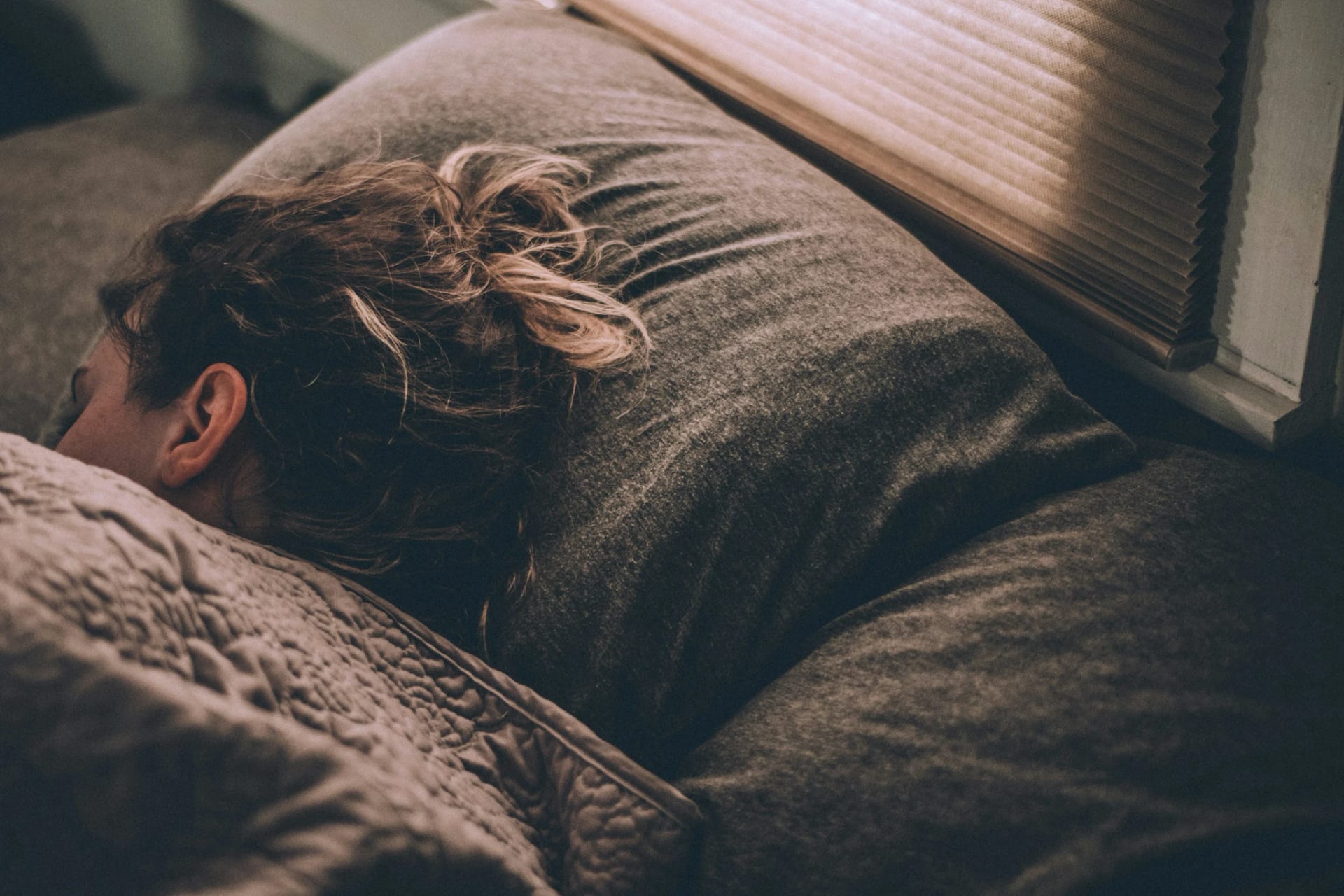
Training hard does not only tax muscles—it raises your nightly sleep requirement. Growth hormone release, tissue repair, and motor learning cluster in deep and REM sleep; when load jumps, many athletes add sessions before they add rest. The result is not always soreness you can feel.
It shows up as stagnant performance, cravings, irritability, and resting heart rate that creeps up while you still hit workouts on willpower.
During heavy blocks, aim for seven to nine hours in bed with a wake time you keep within thirty minutes every day—including weekends. Total hours matter, but timing matters too: finish strenuous intervals or heavy squats at least three hours before bed when your schedule allows. Late adrenaline and elevated core temperature delay sleep onset and trim deep sleep even if you fall asleep exhausted. Shift the hardest work earlier in the day or accept that the next session should be lighter, not another red-line effort.
Build a short, repeatable wind-down: dim lights sixty minutes out, last caffeine before 2:00 p.m., cool bedroom around 65–68°F, and screens out of bed. Alcohol after hard training is a common mistake—it fragments sleep and suppresses HRV for one to two days. If morning readiness scores or subjective energy trend down for a week, treat sleep as the first lever: trim volume ten to twenty percent, add a rest day, or schedule a deload before you chase another stimulant or supplement stack.
Examples that work in real schedules
- Two-a-day week: When you lift at dawn and swim at night, protect a ten-hour sleep opportunity and keep the evening session sub-maximal. Missing sleep to “fit it in” usually lowers quality of both sessions within days.
- Late class or league night: Follow hard evening work with easy movement the next morning—not another interval session. Ten minutes of slow nasal breathing and a cool shower beat scrolling in bright light.
- Competition taper: Anxiety wakes people at 3:00 a.m. Hold your wake anchor; if you are awake more than twenty minutes, get up for dim light and gentle mobility instead of fighting in bed. Bank sleep on the two nights before the event rather than over-napping race morning.
Track sleep duration and how sessions feel for fourteen days before overhauling your program. Patterns beat single bad nights. When sleep and training logs sit side by side, you can see whether fatigue is load, timing, or environment—and adjust one variable at a time. Ohga flags when sleep duration drops while training volume rises so you can pull volume before a planned deload becomes an unplanned injury week.
Hard training is the stimulus; sleep is where you cash it in. Protect the night like you protect the program—consistent wake time, earlier hard work, and honesty about when your body is asking for less load, not more.