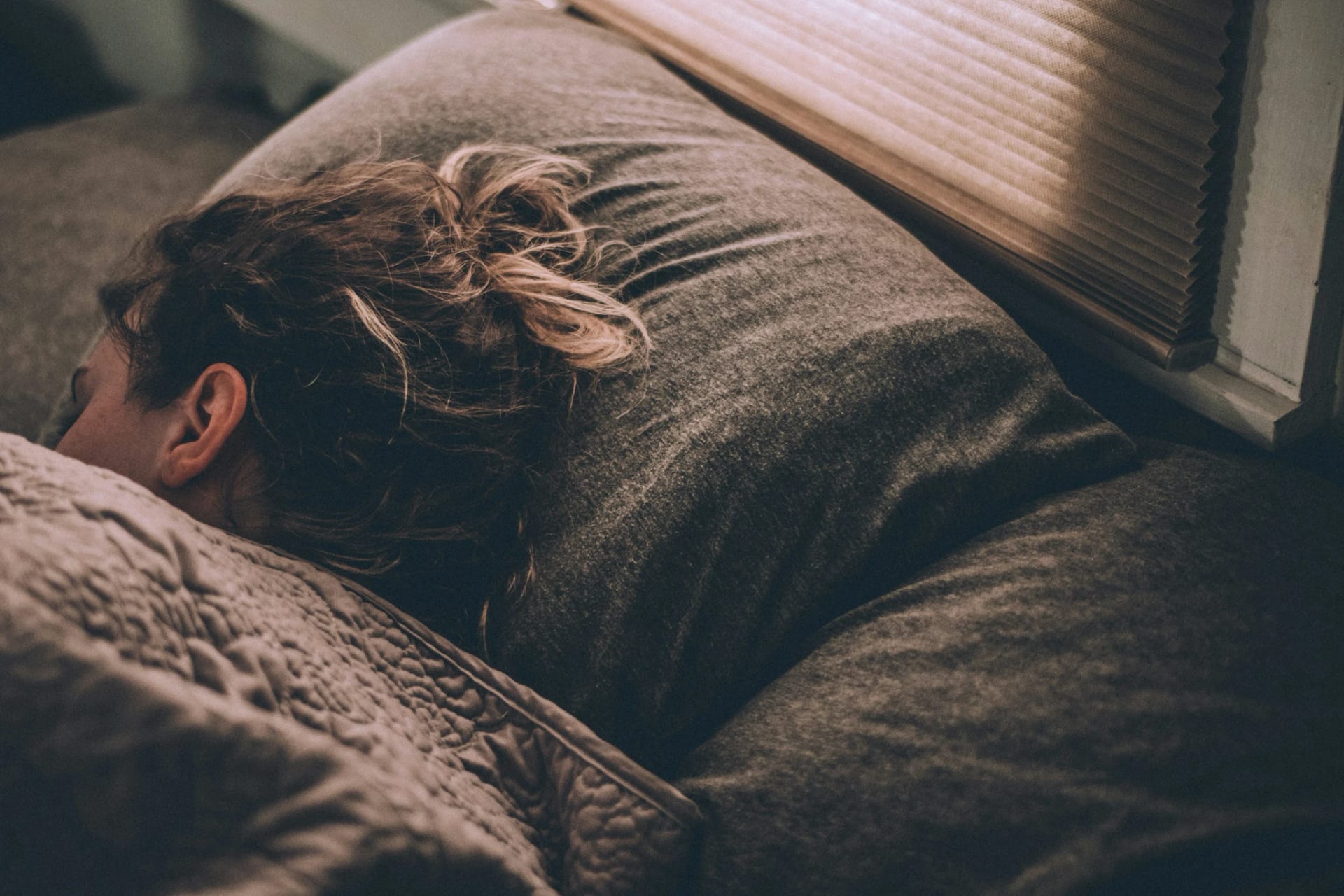
A realistic blue light evening routine is not a ban on every screen—it is a repeatable sequence that lowers brightness, moves stimulating light away from your face, and gives melatonin time to rise before lights out. Short-wavelength light from phones, laptops, and bright overhead LEDs can delay melatonin onset.
Total lux, distance, and what you are doing on the device often matter as much as color temperature. This guide shows what to change first, how to build a ninety-minute buffer without perfectionism, and how to pair evening dim light with morning outdoor light so your circadian rhythm stays anchored.
What evening blue light actually does—and what it does not
Your eyes signal the brain that it is still daytime when bright, blue-rich light hits the retina at close range—especially when you are lying down with a phone eighteen inches from your face. Melatonin release can shift later, which pushes sleep onset latency and makes you feel wired despite being tired. That is a dose response: a dim TV across the room is not the same as a max-brightness tablet in bed. Night modes and warm lamps help reduce short-wavelength exposure; they do not remove the impact of stressful content, one-more-email loops, or overhead LEDs at full power at 10:00 p.m.
Research on blue light and sleep is real but often overstated in marketing. You do not need a zero-technology evening to sleep well. You need a consistent downgrade in light level and stimulation so your wind-down routine can repeat nightly—even on travel weeks and shared households.
Build a ninety-minute evening light routine in three tiers
- Tier 1 — Environment (sixty to ninety minutes out): Turn off the brightest overhead fixtures. Use one warm lamp (2700K–3000K) or a dimmer at thirty to forty percent. If you share space with family, dim the room you control—bedside and desk—not the whole house at once.
- Tier 2 — Screens (forty-five to sixty minutes out): Enable night shift or equivalent, drop brightness to the lowest readable level, and increase font size so you hold the device farther away. Move work off the phone; if you must reply, do it at a desk under the warm lamp, not in bed. Charge the phone outside the bedroom when possible.
- Tier 3 — Anchor (last twenty minutes): Same low-light activity nightly—paper book, stretch, shower, or journal. Bright bathroom light right before bed can spike alertness; use a dim night light or finish hygiene earlier in the buffer.
Hold one variable for seven nights before adding the next tier. Track minutes from lights out to sleep, not only total hours in bed. Pair this with a fixed wake time and ten to twenty minutes of outdoor light within an hour of waking—that morning signal strengthens evening melatonin timing more than any single filter app.
Blue-blocking glasses, bulbs, and apps: honest expectations
Amber glasses can help people who cannot control office lighting before a late commute home. They are optional, not mandatory. Cheap LED bulbs labeled "daylight" at 5000K in the bedroom work against you; swap one key lamp to warm white. Apps that auto-dim at sunset are useful only if you keep notifications quiet—otherwise the screen still pulses with urgency.
If you already use blue light in the evening filters and still lie awake, look at caffeine timing, late meals, and anxiety loops before buying more gear. See finding your caffeine cutoff when afternoon drinks are still in play.
Examples that work in real homes
Desk schedule. Sam works until 7:30 p.m., then closes the laptop in the kitchen. From 8:30 p.m. only the floor lamp is on; the phone stays on the dresser with Do Not Disturb. By night twelve, sleep onset is under twenty minutes without changing his 10:30 p.m. lights-out target.
Family bedtime. Priya cannot darken the whole apartment while kids finish homework under kitchen LEDs. After 8:45 p.m. she moves to the bedroom lamp for her own reading and stops answering work chat in bed. Latency improves even though the house is not screen-free.
Shift work. Alex works nights and sleeps days. Sunglasses on the commute home, blackout curtains, and the same dim buffer before the sleep block matter more than evening phone bans on work nights. Off-nights still use morning light at a consistent wake anchor.
Common mistakes
- All-or-nothing rules. Declaring "no screens after 8:00 p.m." and breaking the rule by Tuesday teaches ignore, not rhythm.
- Bright bathroom finale. A shower with 5000K vanity bulbs at 10:15 p.m. can undo an hour of dim light.
- Ignoring stimulation. Night mode with thriller videos or Slack pings still delays sleep.
- No morning light. Sleeping in a dark cave until noon weakens the circadian anchor evening habits depend on.
When to adjust further or talk to a clinician
If sleep onset stays long after four weeks of dim light, fixed wake time, and calmer final-hour content, test an earlier buffer or review screen time before bed logs for hidden bright sessions. Delayed sleep phase, shift work disorder, restless legs, and mood symptoms may need clinician input—not only bulb swaps. Ohga can plot evening screen tags and self-reported dim-light start against sleep-onset latency so you see whether light habits moved the needle on the same weeks caffeine and training load stayed flat.
Protect sleep with light you can keep: lower brightness, farther screens, a repeating anchor, and morning daylight. That is a realistic dim light evening routine—not a perfect zero-blue night.